

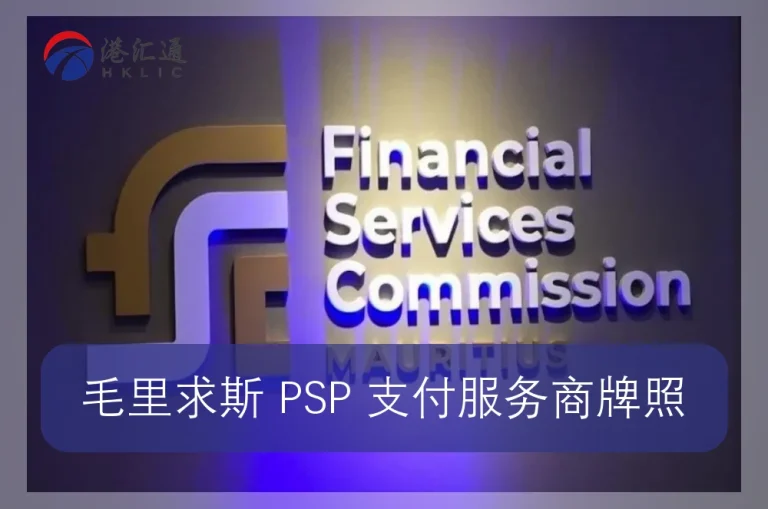
Mauritius PSP payment service provider license
Mauritius payment licenses are mainly divided by the Bank of Mauritius (BoM) Issuing payment service provider (PSP) license, and by the Financial Services Commission (FSC) Issuing payment intermediary services (PIS) license. BoM’s PSP license is based on the National Payment Systems Act and its authorization and licensing rules; FSC's PIS license is handled in accordance with Article 14 of the Financial Services Act 2007 and the current comprehensive licensing and charging rules.. in recent years, Relying on a well-established global business company (GBC) Architecture, Mauritius has become a legal clearing hub for multinational entities to deploy in the African and offshore payment markets.. Hong Kong Huitong provides applicants with covered entity registration, Legal capital verification, Substantive local operations (Substance) Construction and anti-money laundering (AML) Full-case legal agency services for review and docking.
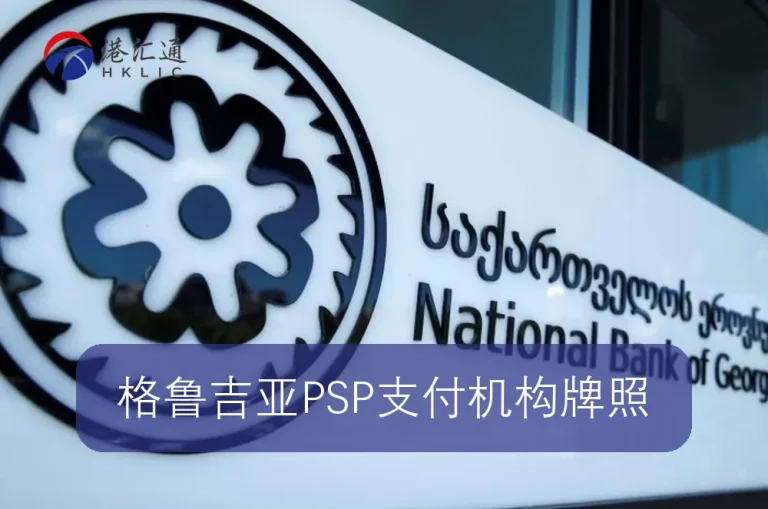
Georgia PSP payment institution license
Georgia Payment Service Provider (PSP) and Electronic Money Institution (EMI) License (also commonly referred to as Payment Institution License in statutory classification and practice, Payment system provider license or financial company license) is legally regulated by the National Bank of Georgia (NBG). Authorization to legally conduct digital payment settlements, Fund remittance and electronic money issuance business franchise. The core statutory advantage of this license is the concession tax exemption policy: If a licensed entity is legally granted “virtual regional entity” status, The digital financial services exported overseas are applicable to 0% corporate income tax rate. Hong Kong Huitong provides registration from local entities, Notarization of a complete set of foreign documents, Go to the internal compliance system to build a special legal agency plan that interfaces with regulatory agencies, Ensure the legal implementation of the project.
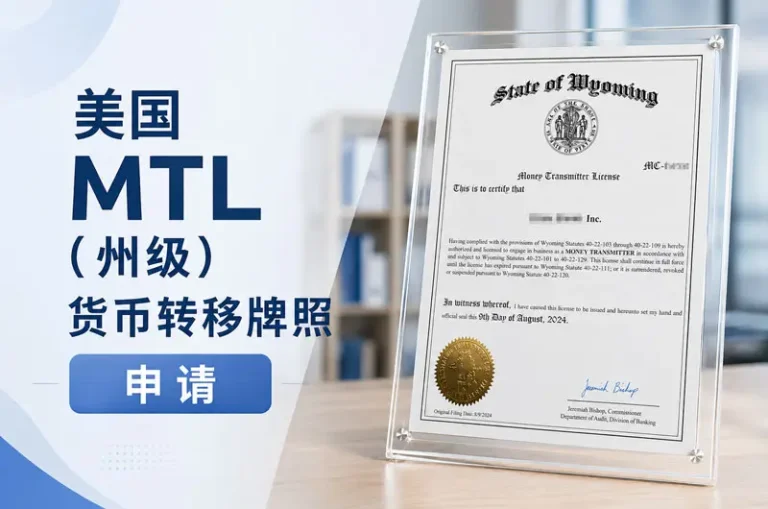
US MTL state license
in the united states, MSB registration and state MTL licenses are subject to different levels of regulatory requirements. FinCEN is responsible for MSB registration and BSA/AML obligations at the federal level, State financial regulators regulate currency transmissions individually, Fiat currency exchange, Licensing conditions for virtual assets and payment services. Is MTL required?, Do I need to complete FinCEN registration first?, Capital and Margin Requirements and Application Process, Must be judged on a case-by-case basis based on target state and actual business.
US MSB Registration (FinCEN)
Working in remittances in the United States, currency exchange, Virtual currency or other money service business, Typically required to assess FinCEN's federal MSB registration and anti-money laundering obligations, And determine whether it is necessary to obtain a state-level MTL license based on the actual service area.. FinCEN registration is not the same as a business license, Nor is it a substitute for state-level authorization, Bank due diligence or other regulatory requirements. Hong Kong Huitong can assist US companies to set up, A, Business classification, AML system, FinCEN registration and preparation of state-level licensing materials.

Canadian MSB license (FINTRAC registration)
Operating a foreign exchange exchange in Canada, remittance, Virtual currencies or other regulated money services, Typically required to register with FINTRAC and establish AML/KYC in accordance with applicable regulations, Compliance Officer, Record keeping and reporting system; If the business involves payment services, Bank of Canada RPAA registration requirements should also be assessed. Hong Kong Huitong can assist in company establishment, Business classification, Compliance system and registration information preparation. MSB registration is a regulatory registration, It does not mean opening a bank account, Business cooperation or other permissions must be approved.