

1. Legal access conditions and operational substantive requirements for Japanese API/EPS licenses
Legal Entity and Local Representative Substance
Foreign companies must establish local corporations such as Japan Corporation (KK), Or at least designate a permanent representative and establish a business office in Japan. The Financial Services Agency strictly examines the corporate governance structure and internal business control mechanisms of institutions., Reject pure shell operations.
Fund preservation and return mechanism (Safeguarding)
engage infunds transferOr institutions engaged in stable currency business must fulfill their fund preservation obligations in accordance with the law. 2025 Regulatory proposal to relax bankruptcy refund mechanism, Allows refunds to be made directly to users through guarantee agencies or trust companies, Substitution must be approved by the Legal Affairs Bureau 170 day withdrawal process.
Extremely strict anti-money laundering system (AML/CFT)
according to 2024 The revised version of the "Funds Settlement Law", Institutions must establish automated systems to track funding sources, Implementation of abnormal transactions 72 Mandatory reporting mechanism within hours, Establish substantial blocking thresholds for cooperation with correspondent banks in non-FATF whitelist countries.
Underlying Assets and Detention Exemptions
2025 New regulations in 2020 propose to relax restrictions on underlying assets, Allowing specific trust-based stablecoins to be the highest 50% funds invested in 3 Highly Liquid Treasury Bonds within the Month. at the same time, For the first category of fund transfer industry (large amounts), Exemption from “pay as you go” restrictions under certain risk control conditions, Maximum stay of funds allowed 2 months.
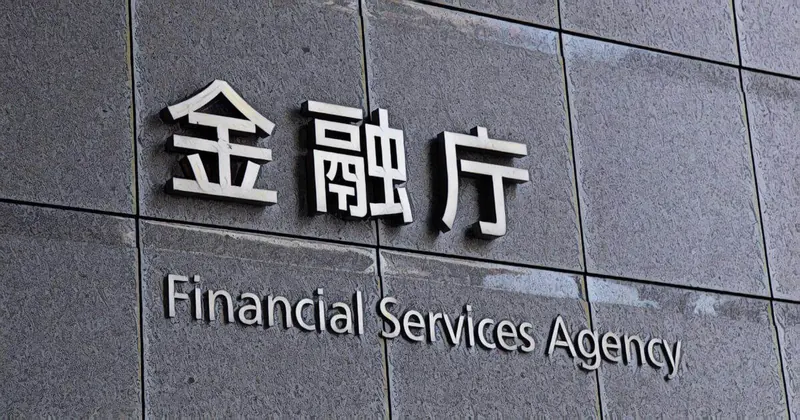
2. 2023-2025 Japan’s payment industry regulatory trends and major lifting of bans
- 2025March-July
Stablecoin license issuance and system infrastructure upgrade: SBI VC Trade was approved for Japan’s first “Electronic Payment Means Transaction Industry (EPIESP)” license No. 00001 on March 4, Approved to handle USDC. at the same time, Zengin System is expected to launch a standardized API gateway in July, Significantly lower the technical barriers for payment institutions to access the underlying clearing system.
- 2024June
Financial zones and incentives for foreign investment to settle in: The Financial Services Agency officially launched the “Financial andasset ManagementBusiness Zone Policy Package”. in tokyo, Osaka, Overseas offices with business bases in Fukuoka and Sapporo, Enjoy the FMEO English fast registration channel and a very high proportion of official fees and settlement subsidies.
- 2023April-June
Legalizing Stablecoins and Lifting the Ban on Digital Wages: The revised "Funds Settlement Law" takes effect, clear bank, Fund transfer operators and trust companies are legal stablecoin issuers.. at the same time, Ministry of Health, Labor and Welfare lifts ban on “digital wages”, Allows employers to transfer wages directly to non-bank payment platform accounts that meet extremely high fund preservation standards (maximum limit of 1 million yen).
3. List of statutory application submission files and review elements
Applicant's articles of association and legal person registration book (including ultimate beneficiary UBO penetration information).
Internal compliance control and anti-money laundering/anti-terrorist financing (AML/CFT) management procedures (need to include a 72-hour exception reporting mechanism).
Business plan and legal documents for the performance of client fund preservation agreement (such as letter of guarantee or trust certificate).
IT System Security Instructions, And connect the underlying architecture and disaster recovery plan of the whole bank system API gateway.
Resume and no criminal record of local full-time senior executives and compliance officers (requires Japanese AML experience or CAMS certification).
4. Application and compliance procedures for foreign-invested institutions (FMEO English channel)
Stage one: Preliminary due diligence and structure establishment (4-6week)
Establishing a foreign investment access structure. Established a company (KK) in Japan, Conduct capital verification. Simultaneous initial consultation with the Financial Markets Entry Office (FMEO), Confirm license type (API/EPS or EPIESP).
Stage 2: Documentation and FMEO pre-review (2-4months)
Hong Kong Huitong is based on the requirements of the Financial Services Department, Prepare financial models including, A complete set of case files on AML defense lines and fund preservation mechanisms, and submit for pre-review in English through FMEO.
Stage three: Formal submissions and regulatory inquiries (3-6months)
Officially submit a registration application to the local finance bureau. Regulator conducts background penetration of ultimate beneficiary (UBO), and issued multiple rounds of inquiries on anti-money laundering systems and API security..
Stage four: Complete registration and business issuance (4-8week)
After all statutory elements are met, The Finance Bureau officially issues a registration number (such as No. 00001). Institution opening, and file it with the banking system and relevant financial industry associations..

5. Japanese license registration compliance requirements and capital calculation
| Check category | Legal regulatory standards and compliance analysis |
|---|---|
| Capital and net assets | Depends on application type. Regular Funds Transfer Sector (FTSP) or EPIESP is required to maintain a certain net asset size as a buffer; Digital payroll platforms have extremely strict requirements for reserves. The specific amount of actual payment must be determined after review of the FSA business plan. |
| Fund preservation (Safeguarding) | It is mandatory to sign a performance guarantee contract with a bank in Japan, or will 100% Customers’ equal amounts of funds are delivered to trust institutions for physical isolation.. |
| Official application fee | The Japan Financial Services Agency (FSA) usually charges registration taxes (ranging from hundreds of thousands of yen) based on statutory administrative fees., Floating according to business level). Those who settle in the financial zone can apply for a very high proportion of initial registration fee subsidies from the Tokyo Metropolitan Government.. |
| Manpower compliance maintenance costs | Must pay all year round 3 Salary for local compliance officers with more than 10 years of experience in the Japanese financial industry, and the cost of hiring CAMS anti-money laundering certified personnel.. |
6. Review red lines and reminders on situations where the Financial Services Agency refuses approval
Mismatch in executive qualifications: Foreign capital directly appoints foreign personnel without Japanese financial law compliance experience to serve as core risk control positions.
AML traceability missing: failed to establish a capacity to satisfy 2024 new regulations 72 Hourly abnormal transaction reporting mechanism, Or the cooperative overseas correspondent bank is in the FATF non-whitelist area.
UBO penetration failed: Especially when a Chinese natural person serves as the actual controller, If you are unable to submit complete legal sources of funds and financial credit records in Japan, Registration will be put on hold indefinitely.

7. Industry cutting edge: License approval and compliance cases
SBI VC Trade receives first EPIESP license (2025)
2025March 4, SBI VC Trade successfully obtained the "Electronic Payment Means Transaction Industry" License No. 00001 issued by the Kanto Local Finance Bureau, Became the first compliance agency in Japan approved to handle USDC stablecoin, Verifying Japan’s regulatory openness to the integration of Web3 and fiat currency.
Foreign cross-border remittance giants implement compliance
Institutions represented by Wise Japan and SBI Remit, Relying on Japan’s financial zone policy, Successfully connected to the all-bank system, Perfectly integrate overseas low-cost settlement structure with Japanese local AML/CFT rules, Occupying the major market share of cross-border remittances.
8. Practical Legal Questions and Answers (FAQ): Analysis of legal conditions and compliance pain points
9. Official supervision and application information
| Official materials | Main purpose | Link |
|---|---|---|
| List of regulated financial institutions and registrations in Japan | Verify registration information for electronic settlement and related financial services | Japan |
10. Relevant regulations, Regulatory information and further reading
| Data category | Related information |
|---|---|
| Licensing and regulatory authorities |
|